When a dog starts reacting or acting out, most people feel the same thing:
“I need to get my dog under control.”
That’s why many dog owners are taught that reducing reactivity means teaching their dog to resist their urges. Impulse control. Self-control. Control. Different names, same idea.
– Stay
– Don’t take the treat
– Don’t run through the door
These exercises can be effective – and they absolutely have their place.
…but there’s something important that often gets overlooked:
Self-control is not the same as self-regulation.
What’s the Difference?
Self-control = conscious effort to inhibit impulses and emotions
Example: The dog resists taking a treat from the ground to get a reward or avoid a consequence.
Self-regulation = reducing the intensity and frequency of impulses and emotions
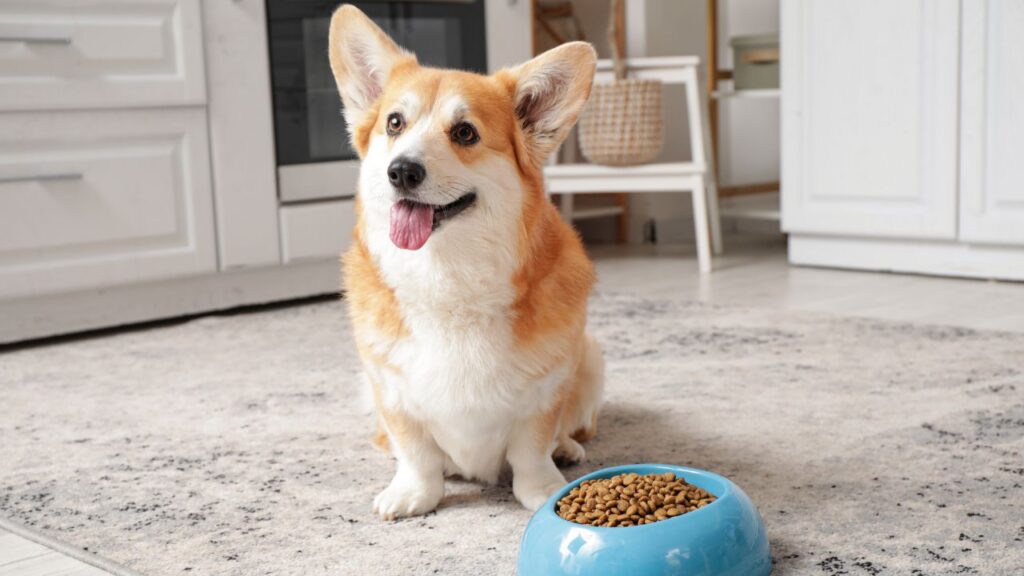
Example: The dog is less tempted to grab the treat in the first place, because their needs are met and they can recover from big feelings.
A dog can only show reliable self-control after becoming self-regulated. And that means asking your dog to control themselves before their nervous system is regulated is actually backwards.
The Cognitive Effort
Self-control requires significant cognitive effort, as the dog needs to be able to make a decision to resist temptation and stand by it. Holding back takes will-power. It can work – if your dog is already calm enough to think. But if your dog is overwhelmed (dysregulated), they’re not in a state where they can make good decisions.
– Their ability to think drops
– Their ability to control themselves drops
So instead of improving behaviour… things start to fall apart.
That is also why many dogs “burn out” with control exercises. Even dogs that initially do well with self-control tasks often struggle to sustain them, because cognitive effort is tiring. It just requires more energy than functioning on more automatic, body-based processes. What often happens is:
1. The dog starts strong
2. Becomes mentally fatigued
3. Loses the ability to cooperate
And the handler is left wondering what went wrong.
Self-regulation is different, because being able to cope with their feelings and impulses builds resilience.
A dog that has developed great regulation abilities will not go over their threshold as easily and will bounce back faster. That also means that the dog will need less will-power and intent for resisting temptations and can preserve more energy for other things.
Dogs Need Regulation First
Self-control is actually the final part of self-regulation. Before we can ask for control, dogs need to feel regulated. They need a way to move, organize their body and settle their nervous system.
That will make it possible for them to become mindful and grounded in their own body: take deeper breaths, reconnect with their body and make conscious decisions. And that will lead to better self-control, responsiveness to cues and precision.
The best part of working with a well regulated dog is that everything will feel light and effortless. Well regulated does not mean calm and still, they will be as fast and energetic as is natural for them, but also clear headed and fun to work with.
How Exactly Regulation Happens
Regulating emotions is a skill that develops through practice. Just like in humans, the fastest way to regulate is not through restriction, but through simple, structured, grounding activities. With children, it’s common to guide them through:
– Sensory exercises
– Breathing patterns
– Balance tasks
– Repetitive, predictable movement
At first, they are guided closely – so that they wouldn’t become overwhelmed or discouraged. The goal isn’t perfection. The goal is helping them reconnect with their body and surroundings, so that they can learn and manage their behaviour more effectively. The child may have big feelings before or during the exercises and act on them. Going through those exercises, emotional regulation comes quite naturally and by the end of the session, it is typical for the child to have moved on from whatever upset them.
With dogs, applying these processes may seem more challenging at first. Many human-based regulation techniques rely on language, reflection, and awareness of internal processes. Teaching a dog to “take a deep breath” is not exactly straightforward. But most of the underlying principles can still be applied and dogs can:
– Learn balance-based exercises
– Use their body in different ways
– Move through structured, repetitive patterns
– Engage their senses through those activities
These kinds of tasks require just enough focus to bring the dog back into their body, without overwhelming them cognitively. Dogs love these exercises. They are simple and fun.
Final Thoughts
Self-control and self-regulation are both very important skill sets, as they make living with our canine companions more enjoyable. Self-control is what keeps your dog from acting without thinking, while self-regulation makes that self-control easier and more sustainable. That’s why it is our responsibility as handlers to go beyond teaching avoidance and self-restraint, and also introduce our dogs to the skill of recovering from the big feelings that come up when life doesn’t go the way they expect.
Because sooner or later, our dogs will go over their threshold. There will be unexpected food on the ground, another dog coming around the corner—that’s just how life is. And when that happens, if we haven’t addressed that part of the equation, our dogs won’t have the tools to deal with those emotions. As a result, they may react more intensely and stay in that state longer. And we may find ourselves increasing distance again and again, feeling like we’re not making progress.
Maybe it’s time to reframe how we think about reactivity. If a dog loses self-control and starts reacting on impulse, it doesn’t necessarily mean something has gone wrong in training. It may simply be information – that the dog doesn’t yet have the skills to regulate their emotions.
A dog who is well regulated is far more likely to make good decisions and show self control.
And emotional regulation is a teachable skill.
Emma Jäger,
Reactivity Special coach and social pedagogy student
Interested in learning more? Click here to join the waitlist for our Reactivity Special program – that way you’ll get course registration and free training options on your email!
I love this! Another part of the reactivity puzzle that has been missing from so many other programs. I have seen great improvement in my reactive dog doing Movement Puzzles and dopamine box. And this adds to the explanation as to why!
Yay! I’m so happy to hear the Movement Puzzles + box combo is working well for you and your dog, Jan!
Thank you so much. I would love more practical ways to help my dog as I believe this has been the problem for a few years. We go 0-10 arousal so quickly and can redirect her behaviour . where can I find more information please 🙏🏻
Hi Debbie! We are running a free webinar this Thursday – this is the perfect place to start and ask Emma any questions you may have! Here’s the link to register for the webinar: https://programs.themovingcanine.com/reducing-reactivity-webinar
I love these insights. My dog can utilise self control but is scared of some dogs. Unfortunately he has been attacked 3 times by different dogs, when he was on the lead & they were not! So I think he lacks resilience now & self regulation. He freezes & whimpers when gets frightened. I give him more space from scary dogs, we reverse or cross the road.
Hi Jan! I’m so sorry to hear your dog has had such a bad experience with some dogs. Giving him more space sounds like a great starting point! We are running a free webinar on these topics this Thursday, come and join us! You can register here: https://programs.themovingcanine.com/reducing-reactivity-webinar
This was very informative and really helpful. Thank you!
So happy to hear you found it helpful, Marsha!
I am interested in teaching my young border collie to self-regulate. He has over-arousal issues around agility.
Self regulation is so powerful and using different training tools to help your dog self regulate more can definitely help with over arousal issues in agility!
Excellent article! Thank you!
So happy to hear you found it useful, Deb!